Choosing full-arch implant surgery often brings an important practical question: what will healing actually feel like, and when will everyday activities become comfortable again? Recovery is a planned process rather than a single milestone. The doctors at Advanced Cosmetic and Implant Dentistry provide guidance for each phase, from protecting the temporary bridge to monitoring the implants as they integrate with the jawbone.
All on 4 recovery and aftercare typically includes a three- to six-month healing period, with a soft-food diet and careful hygiene during early healing. A temporary bridge, sometimes called Teeth-in-a-Day, is placed on the day of surgery so patients can smile and function while osseointegration develops. The permanent bridge is placed after that integration is complete.
Knowing what changes from the first few days through the following months can make the process feel more manageable. Especially for patients who are anxious about discomfort or downtime. The healing stages below explain what to expect and why each phase matters.
Get started on your journey. Call (860) 967-7975 to schedule a consultation with a board-certified prosthodontist and learn how all on 4 recovery and aftercare is managed from day one.

All-on-4 recovery is a staged process. Although patients receive a functional temporary bridge on the day of surgery, the supporting implants still need time to become securely integrated with the jawbone. The complete healing period typically lasts three to six months, and the exact pace depends on each patient's anatomy, overall health, and treatment plan.
The full recovery from All-on-4 surgery spans three to six months. Patients resume light activities within a few days, return to work within one to two weeks, and advance from a soft-food diet to normal eating over several weeks. The permanent bridge is placed only after osseointegration is confirmed.
The Teeth-in-a-Day concept refers to placing an immediate temporary bridge on the day of surgery. This allows patients to leave with a complete set of temporary teeth while the tissues heal. The bridge is designed for healing, not as a signal that the underlying biological process is finished. Patients can learn more about the All-on-4 dental implant procedure and how the temporary and final restorations fit into treatment.
Swelling, bruising, and minor discomfort are common during the first few days after full-arch surgery. Rest and careful adherence to the team's instructions help the body begin healing. Patients should follow their prescribed medication plan and avoid putting unnecessary pressure on the temporary bridge.
During this phase, the tissues continue to settle and patients gradually become more comfortable speaking and eating with their temporary teeth. A soft-food diet helps protect the restoration while the implant sites heal. The doctors will provide specific instructions for cleaning around the bridge without disturbing sensitive areas.
Many patients notice that daily activities feel more manageable during this period, but the implants remain in an important healing stage. Follow-up visits allow the team to assess healing, the fit of the temporary bridge, and implant stability. Even when discomfort has diminished, patients should not assume the implants are ready for unrestricted chewing.
Osseointegration is the biological process in which the implants fuse with the surrounding jawbone. This foundation must be stable before the permanent bridge is designed and secured. Premium systems such as Nobel Biocare are planned with this long-term integration and restoration process in mind. Once healing is complete and the doctors confirm stability, the temporary bridge can be replaced with a custom final restoration.
| Recovery Phase | Timeline | Key Care Focus | Diet |
|---|---|---|---|
| Immediate rest | First 72 hours | Rest, ice packs, head elevation, no strenuous activity | Clear liquids, soft foods only |
| Early healing | Weeks 1 - 2 | Gentle cleaning, salt water rinses, swelling management | Yogurt, smoothies, mashed potatoes, soups |
| Transition | Weeks 3 - 6 | Follow-up visits, monitor implant stability, gradual texture increase | Soft pasta, well-cooked vegetables, flaky fish |
| Osseointegration | Months 3 - 6 | Implants fuse with jawbone, preparation for final restoration | Progressing toward normal diet |
| Final restoration | After healing completes | Permanent bridge placement, long-term maintenance | Return to full diet |
A personalized timeline makes all on 4 recovery and aftercare more predictable. Regular communication with the prosthodontic team is important if swelling worsens, discomfort changes unexpectedly, or the temporary bridge feels unstable.
The first three days are a time for protection, patience, and close attention to your surgical team's instructions. Following post-operative directions carefully supports healing and helps reduce the risk of avoidable complications. Some swelling, bruising, and minor discomfort are normal after full-arch implant surgery, and these symptoms commonly become most noticeable before they begin to improve. Clinical literature describes these early reactions as expected parts of recovery for many patients.
During the first 72 hours after All-on-4 surgery, expect swelling, bruising, and tenderness to increase before they subside. Rest with your head elevated, apply cold packs in 15-minute intervals, and avoid strenuous activity. Take prescribed medication as directed and contact the office if symptoms worsen unexpectedly.
Plan to spend the first day resting at home, with help available if needed. When lying down or sleeping, keep your head elevated with extra pillows or a reclining position. Elevation during the first few nights can help limit facial swelling and make resting more comfortable. Avoid bending repeatedly or putting unnecessary pressure on the surgical area. Your team may provide more specific positioning instructions based on your procedure and medical history.
Apply a cold pack to the outside of the cheek for 15 minutes, then remove it for 15 minutes before repeating. Use a cloth barrier between the pack and your skin. Intermittent icing during the first 24 to 48 hours can help manage swelling and soreness. Swelling often peaks around 48 to 72 hours after surgery, so a temporary increase during this window does not automatically mean something is wrong. It should begin to subside afterward. Contact the office promptly if swelling continues to worsen, becomes severe, or is accompanied by symptoms your team told you to watch for.
Feeling anxious about surgery or the first night of recovery is understandable. Patients who are concerned about dental treatment can review the practice's sedation for dental implants options with the team. IV sedation may be available to help appropriate patients remain comfortable and relaxed during treatment. After surgery, follow the individualized instructions provided by the doctors, and call the office if your symptoms seem unusual or you are unsure what to do.
During the first two weeks, your temporary bridge needs protection while the implant sites begin to heal. A soft-food diet reduces pressure on the bridge and helps prevent unnecessary movement or irritation. For additional dietary guidance during recovery, read our dental implant healing diet guide for meal ideas and nutritional tips.
During the first two weeks after All-on-4 surgery, stick to soft foods that require minimal chewing such as yogurt, smoothies, mashed potatoes, scrambled eggs, applesauce, and lukewarm soups. Avoid hard, crunchy, sticky, or chewy foods. Do not use a straw. Clean gently with a soft brush and warm salt water rinses.
Select foods that require little or no chewing. Good options include:
Cut foods into small portions and eat slowly. Unless the doctors provide different instructions, avoid hard, crunchy, sticky, or chewy foods, including raw vegetables, nuts, popcorn, crusty bread, and tough meats. Do not use a straw unless your care team specifically approves it, because suction can disturb healing tissue.
Swelling and bruising commonly reach their highest point around days two or three, then gradually subside. That pattern can feel concerning, especially when you are already managing tenderness, but it is generally part of the early healing response. Follow the prescribed medication and aftercare instructions, and contact the office if swelling worsens after it had begun improving. Or if you develop fever, unusual drainage, or escalating pain.
Good oral hygiene helps reduce the risk of infection around the implant sites. However, cleaning during this phase is not the same as scrubbing a fully healed smile. Follow the personalized instructions from the dental team about when to brush and which brush to use. A soft-bristled toothbrush may be appropriate, but keep pressure light and avoid brushing directly over sutures or tender surgical areas until you receive clearance.
After the first day, gentle rinsing with warm salt water can help keep the mouth clean. Let the solution move around the mouth, then allow it to fall out rather than forcefully swishing or spitting. This approach cleans without placing unnecessary pressure on the healing sites. The team may also recommend a specific antimicrobial rinse or syringe technique, so those instructions should take priority over general advice.
The soft-food recommendation and cleaning routine are temporary safeguards, not a sign that recovery is going poorly. Consistent care protects the temporary bridge and supports the healing process as the implants stabilize. Mayo Clinic guidance on dental implant surgery also emphasizes following the dental team's specific instructions during recovery. Learn more about full-mouth reconstruction and how All-on-4 fits into an overall treatment plan at a specialist practice.
By the third week, many patients notice that early swelling, tenderness, and day-to-day discomfort have substantially improved. This can feel like a major turning point, but the implants are still progressing through the healing process. The temporary bridge and developing bone support need time and protection, even when the mouth feels much more comfortable. For a broader understanding of the full recovery journey, our dental implant recovery time guide covers week-by-week expectations.
By weeks three to six, most patients can begin introducing firmer foods with the prosthodontist's approval. Continue avoiding hard, sticky, or crunchy items. Attend all follow-up appointments so the team can monitor osseointegration and confirm that the temporary bridge remains stable during this transition.
With the prosthodontist's approval, patients can usually begin moving beyond the softest foods and introduce slightly firmer textures. Start with foods that are tender and easy to chew, cut them into small pieces, and distribute chewing gently across both sides of the bridge. Examples may include:
Transitioning does not mean returning immediately to every food enjoyed before surgery. Very hard, sticky, or crunchy foods can place unnecessary pressure on a healing restoration. The doctors will tailor dietary guidance to the patient's implant stability, healing response, and temporary prosthesis. If a food causes pain, pressure, or unusual movement, stop eating it and contact the dental team rather than trying to push through the discomfort.
Regular follow-up appointments are an essential part of all on 4 recovery and aftercare. These visits allow the prosthodontist to assess healing, monitor implant stability, evaluate the temporary bridge, and identify potential concerns early. The team may also adjust the prosthesis as the tissues change, review cleaning techniques, and confirm whether the patient is ready for the next stage of treatment.
Keep every scheduled visit, even when recovery seems uneventful. Healing beneath the gums cannot be judged by comfort alone, and clinical examinations provide information that patients cannot reliably assess at home. Following the recommended appointment schedule supports a careful transition toward the final restoration. Regular professional follow-up helps the prosthodontist monitor recovery and address issues before they interfere with long-term implant function.
Ready for the next stage? Contact Advanced Cosmetic and Implant Dentistry to discuss your recovery progress and next steps. Our board-certified prosthodontists provide complete surgical and restorative care in one office.
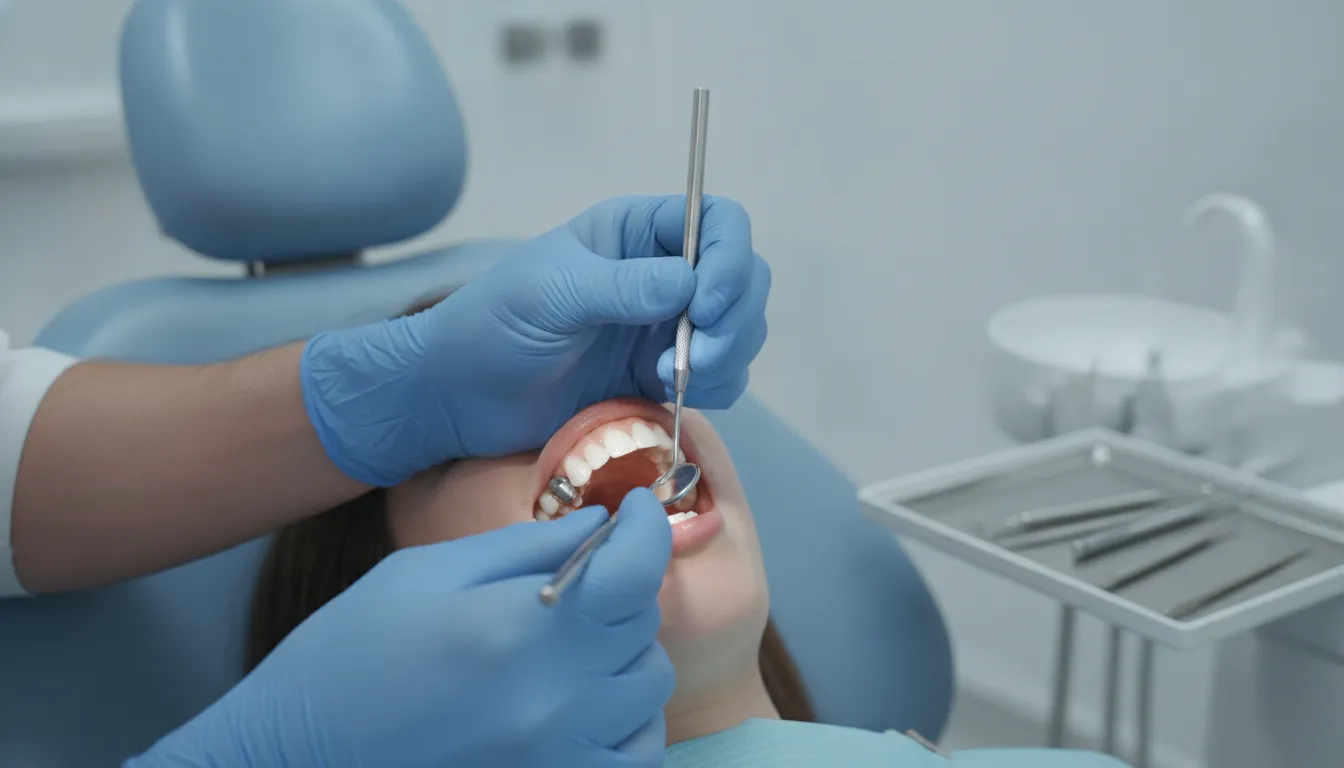
For many patients, the three- to six-month point marks an important transition. During this healing period, osseointegration allows the implant surfaces to fuse with the jawbone, creating the stable foundation required for the final restoration. The temporary bridge placed on the day of surgery has helped you smile and function while that foundation developed, but it is not the finished prosthesis. Patients considering multiple options can explore implant-supported dentures as an alternative restoration approach.
At three to six months post-surgery, osseointegration is typically complete. The doctors evaluate implant stability, tissue health, bite, and aesthetics before designing the permanent bridge. Long-term care includes daily cleaning around the bridge, professional maintenance, and scheduled examinations to monitor the restoration and surrounding tissues.
Permanent bridges are secured only after osseointegration is complete. Before the final bridge is designed, the doctors evaluate implant stability, tissue health, bite, speech, facial support, and the way your teeth should look when you smile. The permanent restoration is then custom-designed around those findings. This careful sequence helps ensure that the final teeth are not simply placed quickly, but are planned for comfort, function, hygiene, and natural appearance.
Specialist expertise matters during this stage, particularly when treatment involves complex anatomy or previous dental work. Dr. Avinash S. Bidra holds a U.S. patent for All-on-4 implant component design, and protocols used at Advanced Cosmetic and Implant Dentistry are published and followed globally. The practice is also a Nobel Biocare All-on-4 Center of Excellence, one of only two in Connecticut. Patients can receive coordinated surgical and restorative care from board-certified prosthodontists in one office, without referral to outside specialists.
Final restoration does not end the care plan. Daily cleaning around the bridge and implants, professional maintenance, and scheduled examinations help the team monitor the tissues, prosthesis, bite, and implant stability over time. Use the cleaning tools and techniques recommended for your specific restoration rather than assuming that a routine toothbrush alone is sufficient. Report persistent soreness, changes in your bite, looseness, bleeding, or difficulty cleaning promptly.
With individualized planning and consistent maintenance, your restoration can remain comfortable and functional for years. Learn more about premium dental implant care and the specialist support available at Advanced Cosmetic and Implant Dentistry.
Most patients move through an initial recovery period over the first several days, followed by a longer healing phase that commonly lasts three to six months. During this time, the implants integrate with the jawbone. The temporary bridge placed on surgery day allows you to smile and function while healing continues, but the permanent bridge is placed only after osseointegration is complete.
Many patients plan to rest for at least the first few days. Although the appropriate timeline depends on the type of work, the extent of surgery, and how the recovery is progressing. Strenuous exercise and heavy lifting should generally be avoided for 48 to 72 hours. Follow the doctors' instructions rather than using a calendar alone to decide when to resume normal activity. CDC guidance also recommends avoiding intense activity during the early healing period.
A soft-food diet helps protect the temporary bridge and reduces pressure on the healing implant sites. Yogurt, smoothies, mashed potatoes, eggs, and other foods that require minimal chewing are often suitable, but the team will provide personalized instructions. Do not advance to firmer foods simply because discomfort has improved. The implants still need time to integrate with the bone.
Some swelling, bruising, and minor discomfort are expected during the first few days and typically improve with rest and prescribed medication. Taking medication as directed can help keep discomfort controlled. Contact the dental team promptly if pain, swelling, fever, redness, discharge, or bleeding becomes worse rather than better. Mayo Clinic guidance recommends reporting concerning changes after implant surgery.
Long-term care includes daily cleaning with the methods recommended by the prosthodontic team, regular professional maintenance, and scheduled follow-up visits. These appointments allow the doctors to check implant stability, the bridge, and the surrounding tissues. Consistent hygiene and maintenance help protect the function and health of implant-supported teeth over time.
Understanding the healing process can make recovery feel more manageable. A consultation with the team at Advanced Cosmetic and Implant Dentistry can help you discuss your goals. Ask questions about aftercare, and understand what your treatment plan may involve. Our practice provides complete care under one roof, from surgery through final restoration, with board-certified prosthodontists who hold All-on-4 patent-level expertise.
Call (860) 967-7975 to schedule your consultation today and get a personalized recovery plan designed around your needs. Whether you are in Glastonbury, Hartford, or anywhere in Connecticut, the doctors are ready to help you take the next step toward a restored smile.
Patients in Hartford, CT, can experience unmatched quality and value by choosing board-certified doctors Avinash Bidra and Xiao Chun Li.
We are affiliated with the following prestigious organizations: